医疗行业
方案背景
Solution Background
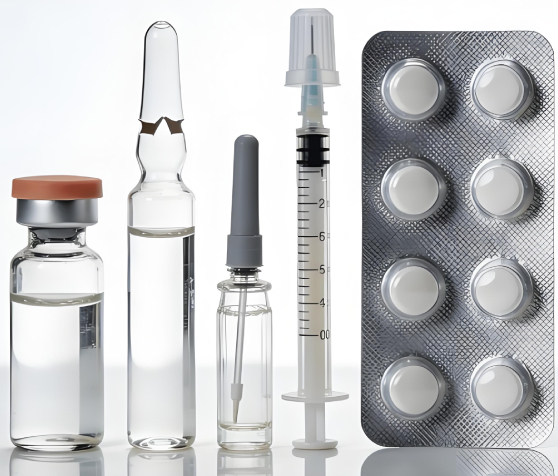
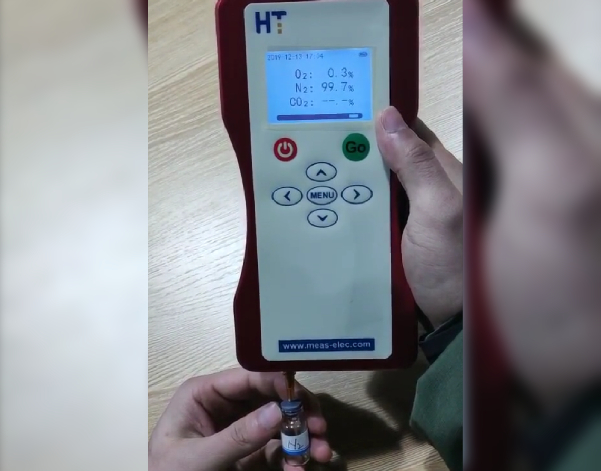
The medical and pharmaceutical industry is a special sector closely linked to public health and life safety, subject to stringent regulatory standards and rigorous quality control requirements. Particularly in the production of pharmaceuticals, sterile medical devices and medical packaging, gas atmosphere and residual oxygen content inside packages directly determine product stability, shelf life and safety, serving as core indicators for pharmaceutical quality control. Headspace gas analysis (residual oxygen testing) targets sealed containers such as pharmaceutical blister packs, ampoules, infusion bags, lyophilized drug vials, sterile dressing packaging and flexible pharmaceutical packaging. It accurately measures concentrations of oxygen, carbon dioxide and other gas components inside packages, acting as an indispensable testing procedure for pharmaceutical production, quality inspection and R&D.
As the GMP quality management specifications issued by the National Medical Products Administration and standards for pharmaceutical packaging materials keep upgrading, pharmaceutical manufacturers face stricter control requirements for package tightness and residual oxygen levels. Traditional manual and extensive monitoring methods can no longer meet industrial compliance and production demands, with four prominent pain points:
1. Severe compliance risks: Excessive residual oxygen or sealing defects in pharmaceutical and sterile device packaging directly cause product oxidation deterioration and microbial contamination. Such non-compliance leads to failure in GMP certification and drug inspection, along with risks including product recall, production suspension for rectification and regulatory penalties.
2. Insufficient precision in quality control: Conventional testing equipment features slow response, low accuracy and poor repeatability, failing to detect trace residual oxygen. It cannot satisfy high-precision testing requirements for high-activity drugs, lyophilized preparations and sterile products, resulting in hidden quality hazards.
3. Disconnection between production efficiency and testing: Traditional offline testing is time-consuming and procedurally complicated, incompatible with on-line rapid sampling and batch quality inspection on automated pharmaceutical production lines, thus reducing overall production efficiency.
4. Poor scenario adaptability: Certain medical packages feature special shapes and diverse materials. Standard gas analyzers cannot adapt to special scenarios including small-volume containers, irregular packaging and sterile clean workshops, making it difficult to guarantee accurate and stable testing data.